
- Home
- Topic Areas
- Newsletter
- Podcast
- 100 Families Initiative
- About
- Connect
- Restore Hope

For some veterans, coming back after service can be just as hard as being deployed.
During a recent community conversation in Garland County, veterans and service providers spoke candidly about what life looks like after leaving the military. Their message was clear: while every veteran’s journey is different, many face the same core challenges — financial instability, culture shock, emotional isolation, and confusion about where to turn for help.
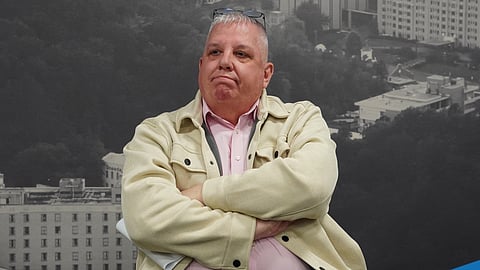
Donald Bullies, Family Self-Sufficiency Coordinator for the Hot Springs Housing Authority explained that military life is structured. Days follow routines. Expectations are clear. Identity is tied to mission and service.
He says civilian life is different.
“In the military, everything is a routine. You get up, you put on the same clothes, you eat the same things, you go to work at the same time. But when you get out, that routine is just gone. For me, that was almost a PTSD thing. I couldn’t adjust.”
Veterans described walking away from that structure into a world that feels disorganized and unfamiliar. Simple things many of us take for granted — choosing clothes, managing schedules, navigating healthcare, finding housing — can suddenly feel overwhelming.
The panel noted that financial stress is common, especially for veterans who leave service without savings or a clear employment plan. Some described leaving their duty station with little more than gas money and no idea where to start next. Others spoke about the difficulty of translating military skills into civilian job language — even when they are highly capable and experienced.
Walter Zgleszewski with the Workforce Connections Disabled Veterans Outreach Program noted that while many people might assume the VA automatically solves everything, navigating benefits and programs can feel like walking into a maze. Different needs require different doors, and knowing which door to knock on isn’t always obvious, especially during moments of crisis
“There’s a misconception that you just go to the VA and everything will be fine. But as soon as you walk in the door, you don’t know which way to go,” said Zgleszewski.
Stability comes before progress
One theme came up again and again: it’s nearly impossible to focus on work, training, or long-term goals when you’re worried about where you’ll sleep or how you’ll eat.
“They’re in survival mode. They’re not thinking about training or paperwork. They’re thinking about where they’re going to sleep tonight and how they’re going to get food. When you’re in that space, you can’t focus on anything else,” said Zgleszewski.
Without basic stability, noted Zgleszewski, even the most motivated person struggles to move forward. He said that is why coordinated support matters. Housing, employment, healthcare, and emotional wellbeing are connected. Addressing one without the others often isn’t enough.
Beyond practical needs, veterans emphasized something deeper: the need for belonging.
Jared Eakin, Executive Director of Scars and Stripes, explained that military service creates a powerful sense of purpose and community. When that disappears, many veterans feel disconnected and isolated. Some withdraw. Others struggle to find their place in civilian life.
“Because they've probably been looking for themselves since they left active duty and getting that self-esteem built back up is important, especially if they've been in for a good minute or if they retired, then they're leaving and everything is different,” said Eakin.
Rebuilding that sense of belonging — helping veterans discover new purpose, new relationships, and new goals — is often what makes lasting change possible, he added.
He also explained that small wins matter: getting a birth certificate, updating a résumé, connecting with a mentor, or simply having someone walk alongside them through the process
Supporting veterans doesn’t require everyone to become an expert in military systems. It starts with showing up, the panel explained. The veterans said these are a few ways communities can help:
Listen first: Every veteran’s story is different. Avoid assumptions. Ask what they need, and let them guide the conversation.
Help navigate systems: Veterans often face fragmented services. Walking with someone to appointments, helping complete paperwork, or making warm referrals can make a huge difference.
Create pathways to employment.: Employers can partner with veteran advocates to better understand military experience and translate skills into civilian roles.
Build community, not just programs: Churches, nonprofits, and civic groups can offer mentorship, social connection, and practical support — restoring the sense of belonging many veterans miss.
Work together: No single organization can meet every need. Real progress happens when agencies, faith communities, employers, and volunteers coordinate their efforts.
If we want better outcomes, we must build better systems — ones that are coordinated, compassionate, and centered on people, not paperwork.
Most importantly, we must remember this: helping veterans isn’t just about providing services. It’s about restoring dignity, rebuilding purpose, and ensuring no one who served our country has to walk their next chapter alone.
Smart Justice is a magazine, podcast, and continuing news coverage from the nonprofit Restore Hope and covers the pursuit of better outcomes on justice system-related issues, such as child welfare, incarceration, and juvenile justice. Our coverage is solutions-oriented, focusing on the innovative ways in which communities are solving issues and the lessons that have been learned as a result of successes and challenges.
The podcast is available on all major podcasting platforms.
Subscribe to the Smart Justice newsletter.
